
Solid Wood Shelves Made to Order: Your Size, Your Design, Your Wood
Written by Andrius Misiunas, Founder & Commercial Director, WOODAIM.
A shelf looks simple, but the details decide whether it looks right on the wall: the wood, the thickness, the edge, the finish and how it is fixed. Here is how we make solid wood shelves to order.
Shelf styles we make
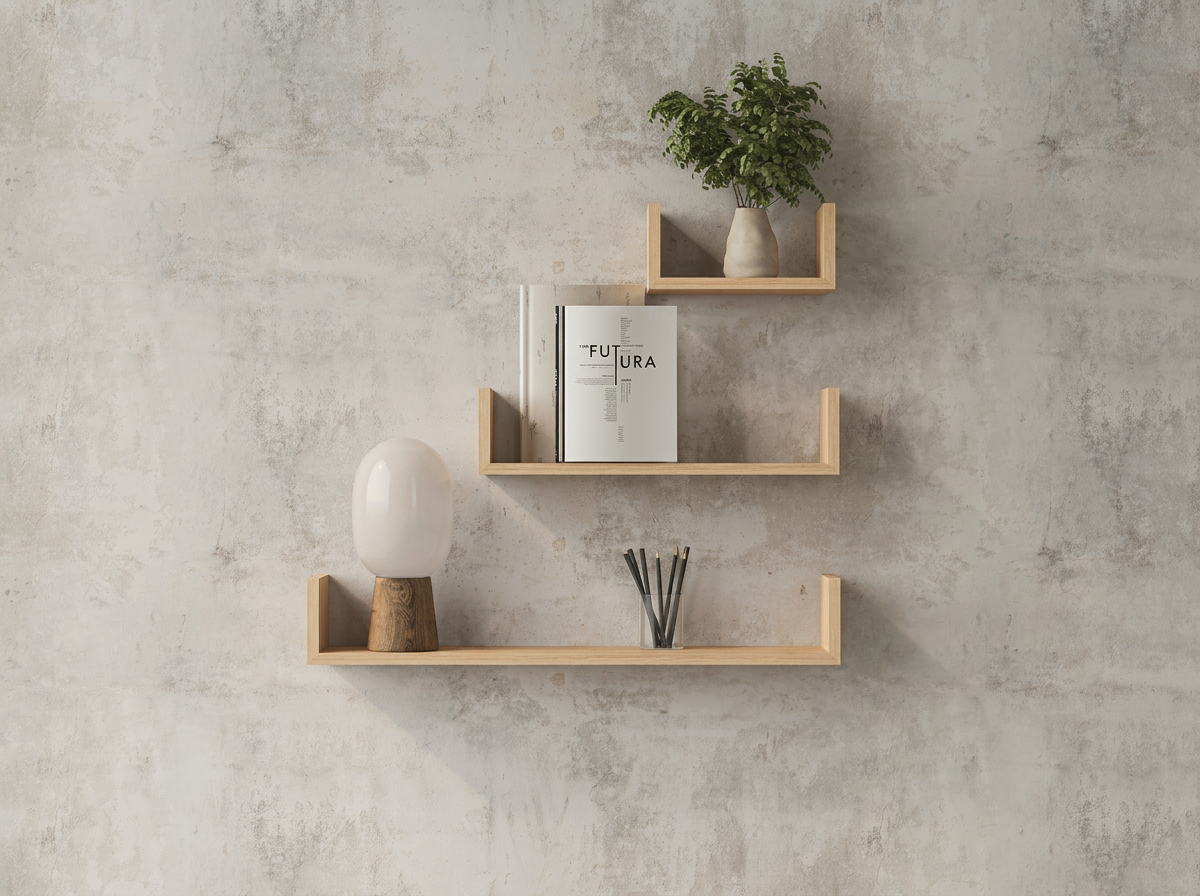
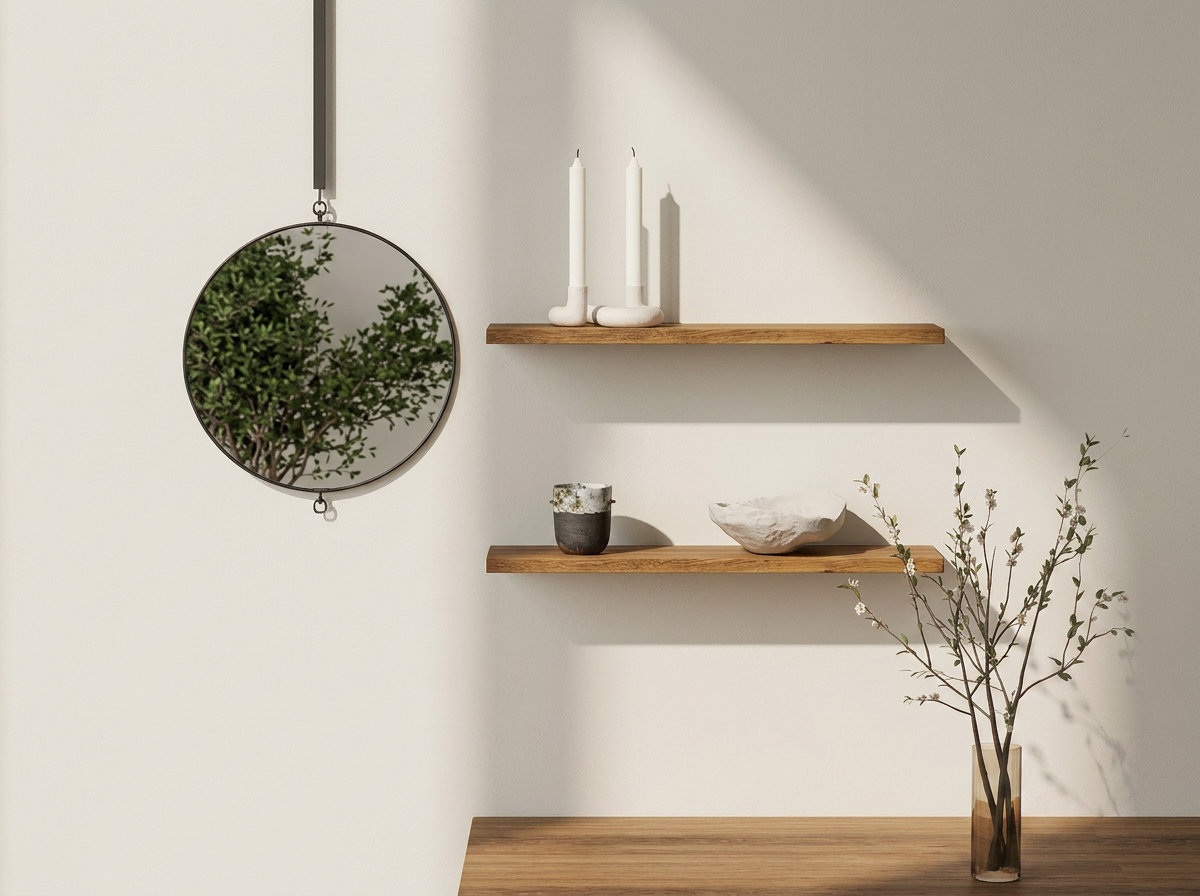
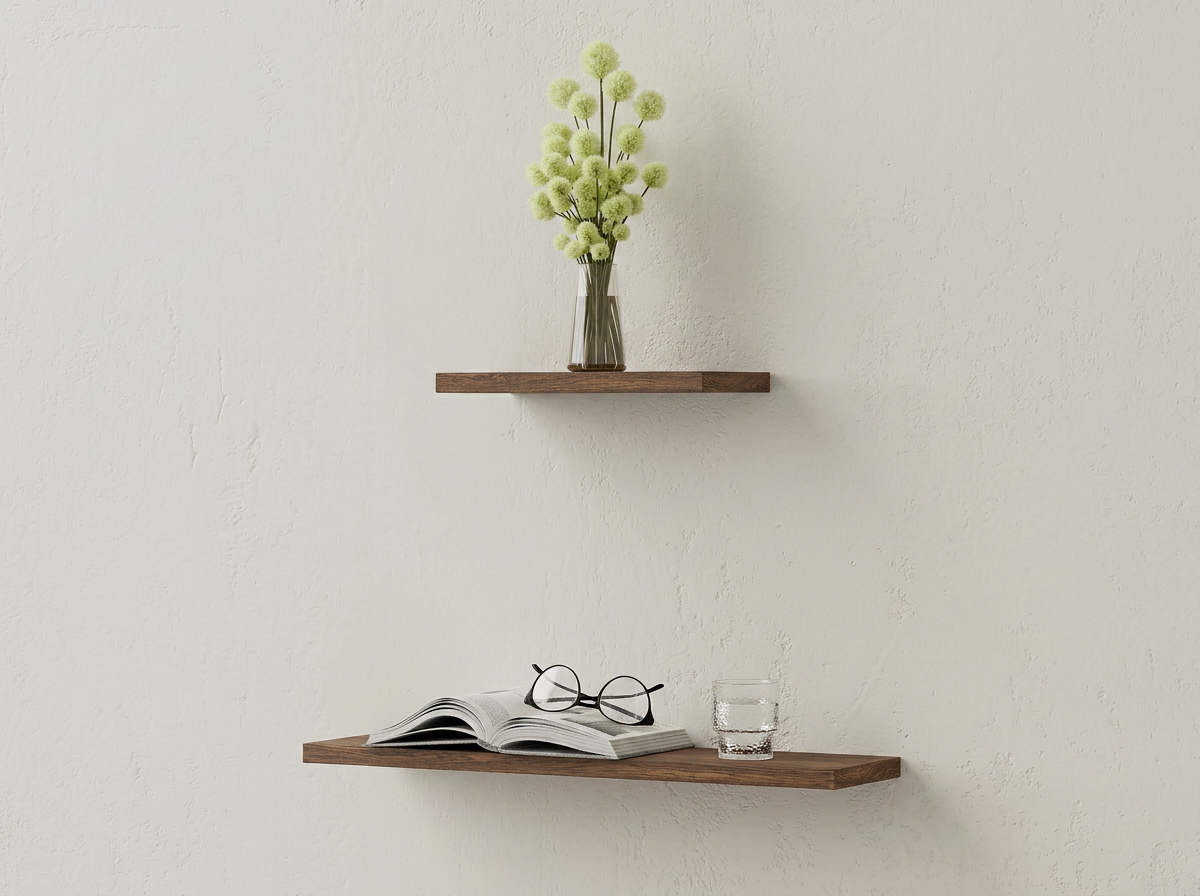
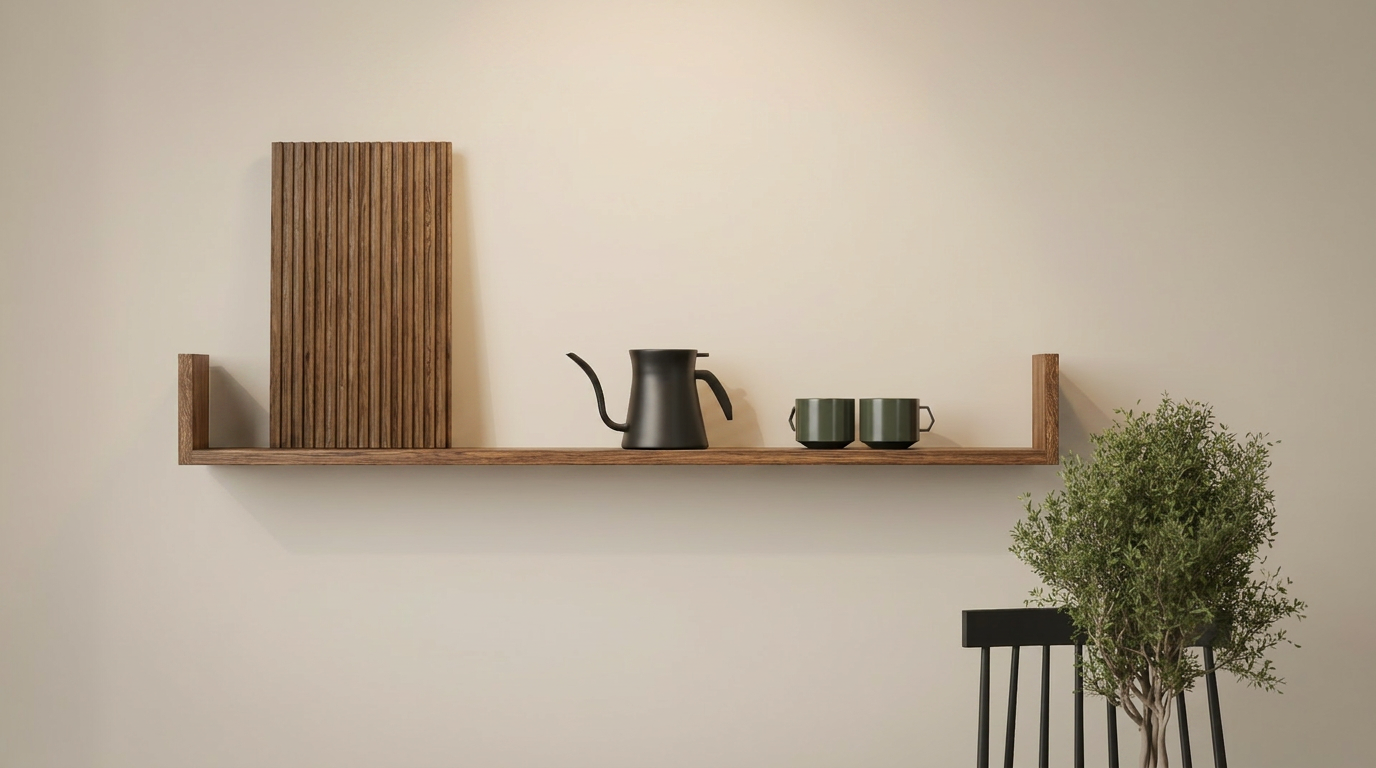
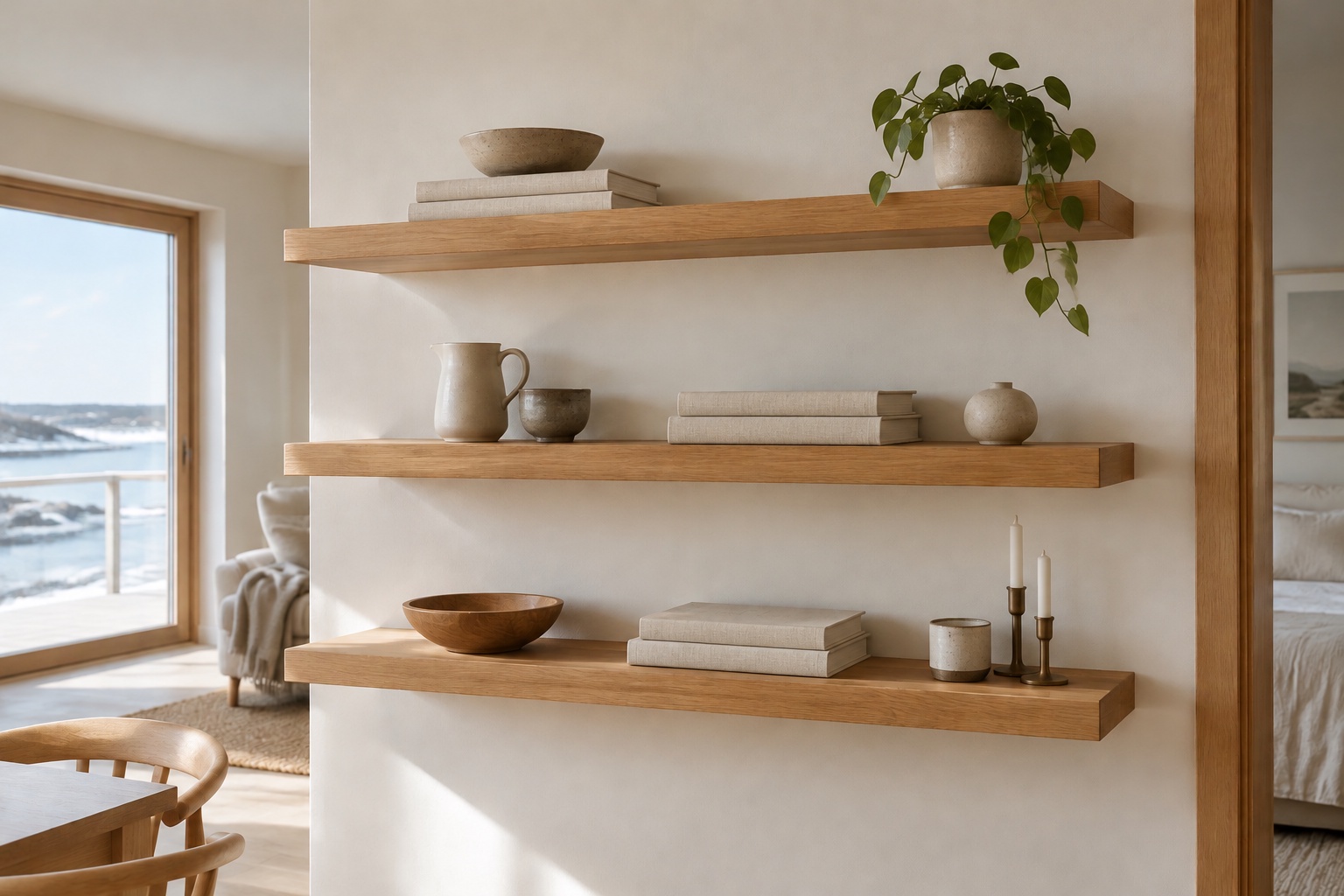
Two common styles are straight floating shelves with no visible bracket, and U-shaped shelves with upturned ends that hold books and objects in place. Both can be made in any of our woods, in any length.
Adjusted to your needs
Every shelf is made for the space, not picked from a catalogue. You choose the length, depth and thickness, the shape (straight, U-shaped, or your own design), the mounting, the edge and the finish.
Examples of sizes we have made: 1000 × 200 mm and 1200 × 250 × 20 mm.
Your own design
Send us a sketch, a photo or a drawing. We turn it into production drawings and make it.
Which wood for a shelf?
Oak and ash
For shelves that carry weight and get handled every day.
Pine
For a lighter, Nordic look, and a good fit for apartments and holiday homes.
Walnut
When the colour is the point.
Other species
Including exotic hardwoods such as teak, on request.
Edge profiles
Straight, chamfered, profiled, semi-rounded or fully rounded.
Finishes
Untreated, transparent oil, Osmo oil finishes, white pigmented, or brown stained matt, all applied in our own workshop.
Brackets and mounting
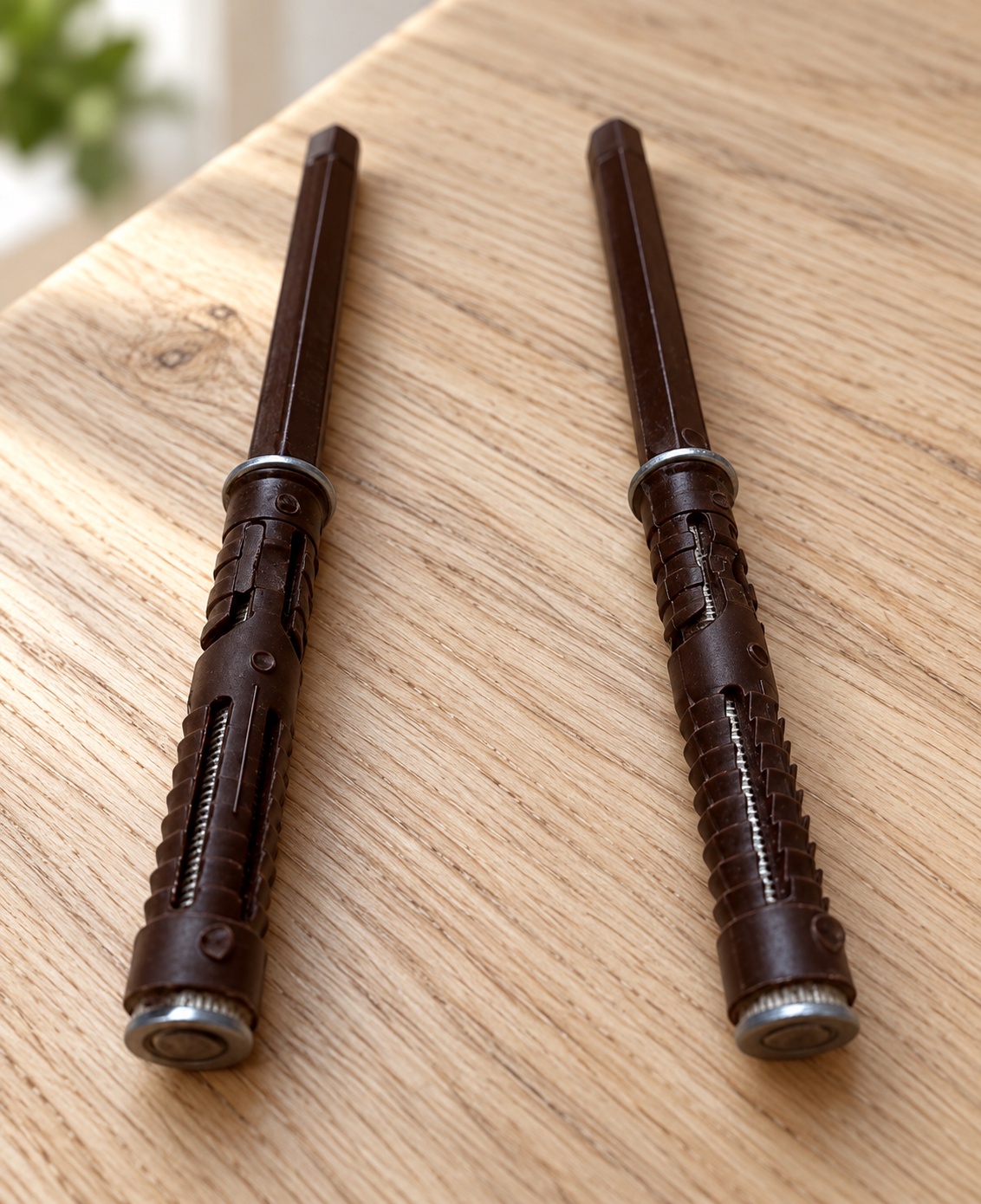
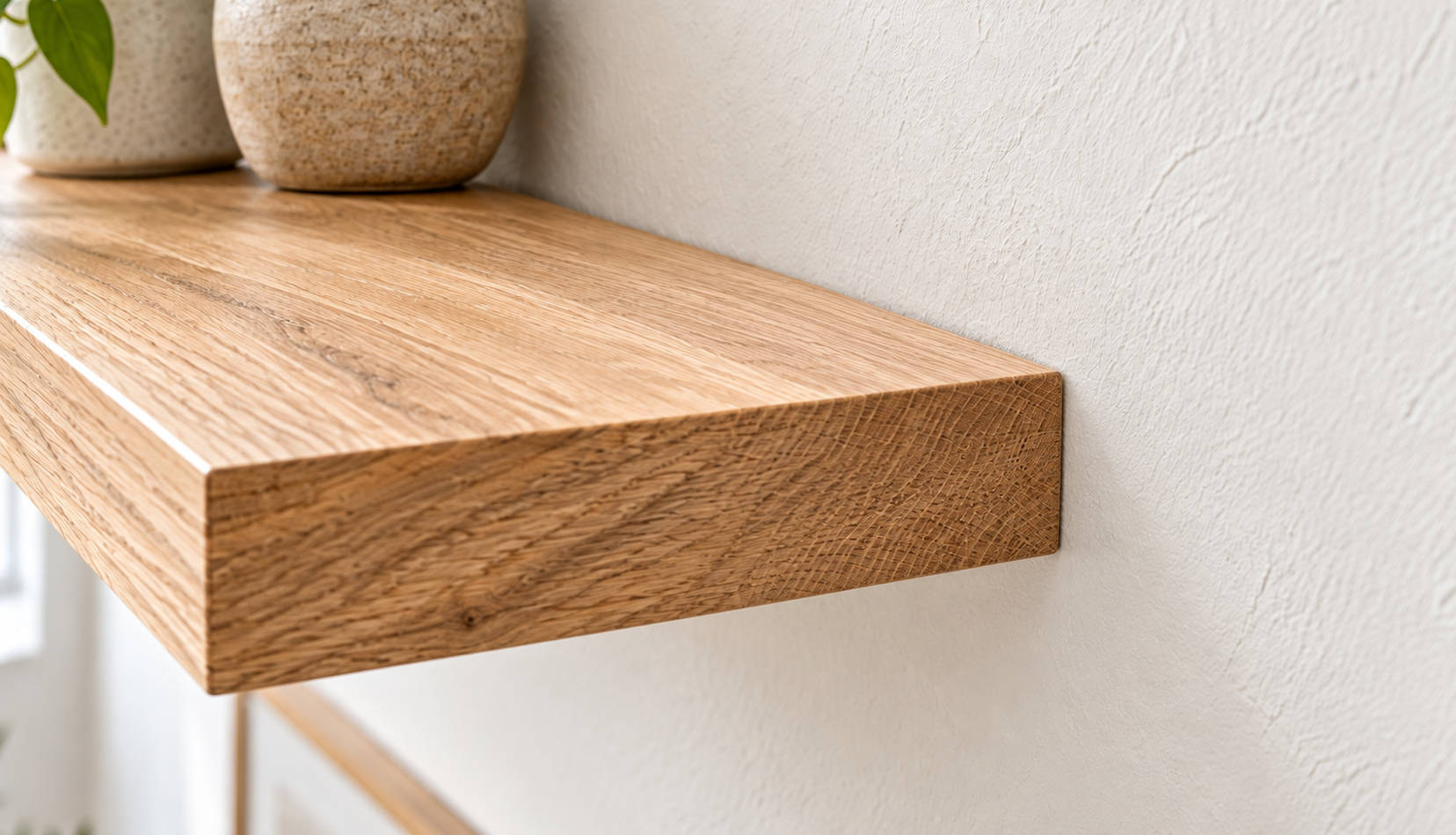
Hidden steel supports (floating shelves)
Two steel rods per shelf. One end is fixed into the wall with a plug, and the rod slides into holes drilled in the back edge of the shelf. The supports are fully hidden inside the fitted shelf, giving a floating appearance.
Häfele and a range of Italian concealed shelf supports
We CNC-machine recesses into the back edge of each shelf and can supply the supports with the shelves. Both systems sit completely inside the fitted shelf: no bracket is visible, giving a floating appearance.
Häfele concealed supports allow a little adjustment and require a minimum shelf thickness of 25 mm. The other concealed supports require more precise fitting and a minimum shelf thickness of 20 mm.
Wooden brackets
Made in the same wood as the shelf, for example L-shaped or rounded.
Your own bracket
If you've designed your own bracket, send the drawing and we make the shelves, or the brackets, to fit.
Our own floating oak shelf
Solid oak, 40 mm thick, about 220 mm deep, with a hidden steel bracket, screws and wall plugs included. Available in different lengths and finishes, and available for brands to sell under their own name.
A recent project: 190 shelves for 8 holiday apartments in Norway
Solid pine shelves with chamfered edges and a two-coat Osmo finish, each with recesses machined for Häfele concealed shelf supports, delivered with the supports included. Part of a larger order of pine furniture for the same apartments, including storage cubes.
From one shelf to a private-label range
We make single samples so you can check the wood, edge and finish before ordering, then repeat batches for brands that sell shelves under their own name.
Frequently asked questions
Can you make shelves to a custom size and design?
Yes. Every shelf is adjusted to your size, shape, edge, finish and mounting, or made from your own design.
How do floating shelves stay up?
With hidden steel supports: rods fixed into the wall slide into holes drilled in the back edge of the shelf, so nothing is visible.
Which wood is best for shelves?
Oak or ash for shelves that carry weight; pine for a lighter look and holiday homes; walnut for colour; other species, including exotic hardwoods, on request.
Do you supply brackets with the shelves?
Yes: hidden steel supports, Häfele and a range of Italian concealed supports, with the recesses machined into the shelf, wooden brackets, or shelves made to fit your own bracket design. Both concealed systems are completely hidden when fitted. Häfele supports allow a little adjustment and require a minimum shelf thickness of 25 mm; the other concealed supports require more precise fitting and a minimum thickness of 20 mm.